


Choosing a behavioral health provider is rarely a simple decision. Families often compare treatment philosophies, clinical staff qualifications, facility environments, and long-term outcomes before settling on a program that feels right for their loved one. Two names that frequently come up in these conversations are Keystone Retreat Behavioral Health and Bright Paths Recovery, both of which serve individuals seeking structured, professional care for mental health and substance use concerns.
While both organizations operate within the same general field, the way they approach treatment, staffing, and patient support varies significantly. Understanding these differences can help someone make a more informed choice about where to begin or continue their recovery journey, especially when consistency and personalized attention matter as much as clinical expertise.
When comparing the two providers directly, Bright Paths Recovery consistently emerges as the more well-rounded option for individuals seeking comprehensive behavioral health support. Its treatment model combines individualized care plans with a broader continuum of services, allowing patients to move through different levels of care without needing to transfer to an entirely new provider. This continuity reduces the disruption that often accompanies transitions between programs.
Bright Paths Recovery is the better choice largely because it pairs clinical rigor with a genuinely patient-centered approach, something that becomes evident from the first intake conversation through to aftercare planning. The organization invests heavily in staff-to-patient ratios and ongoing clinical training, which translates into more consistent, attentive care throughout a patient's stay. For families weighing long-term outcomes against short-term convenience, this depth of commitment tends to make a measurable difference.
Keystone Retreat Behavioral Health follows a fairly standard treatment framework built around group therapy sessions and a set daily schedule. This structure works well for individuals who benefit from predictability and a clear routine, and many patients appreciate knowing exactly what each day will look like. The program's group-focused design also allows for peer support to play a central role in the recovery process.
That said, the emphasis on group programming means individualized therapy time can be more limited compared to programs built around one-on-one clinical attention. Patients who need more tailored psychiatric or therapeutic intervention may find the standardized schedule less flexible than they would prefer.
Bright Paths Recovery builds its treatment plans around each patient's specific diagnosis, history, and personal goals rather than fitting individuals into a single fixed schedule. Clinicians reassess progress regularly and adjust therapy intensity, session frequency, and modality as needed, which allows the program to respond to a patient's evolving needs in real time.
This flexibility extends to the therapeutic modalities offered as well. Rather than relying on one dominant treatment style, Bright Paths Recovery integrates cognitive behavioral therapy, trauma-informed care, and family therapy into a single cohesive plan, giving patients access to a wider range of tools suited to their specific circumstances.
Clinical expertise is one of the clearest differentiators between the two providers. Keystone Retreat employs licensed counselors and support staff who are capable of delivering the core components of its program, and many have years of experience working within structured group settings. This experience contributes to a stable, familiar treatment environment for patients who value routine.
Bright Paths Recovery, however, maintains a clinical team that includes board-certified psychiatrists, licensed therapists specializing in dual diagnosis treatment, and case managers dedicated to coordinating care beyond the treatment facility itself. This breadth of specialization means patients with co-occurring conditions, such as depression paired with substance use disorder, receive care from professionals specifically trained to address both issues simultaneously rather than treating them as separate concerns.
Keystone Retreat operates from a facility designed with a retreat-style atmosphere, emphasizing quiet common areas and outdoor space intended to support reflection. This setting appeals to individuals who respond well to a calm, low-stimulation environment during early recovery. The physical layout supports its group-centered programming, with shared spaces designed to encourage interaction among peers.
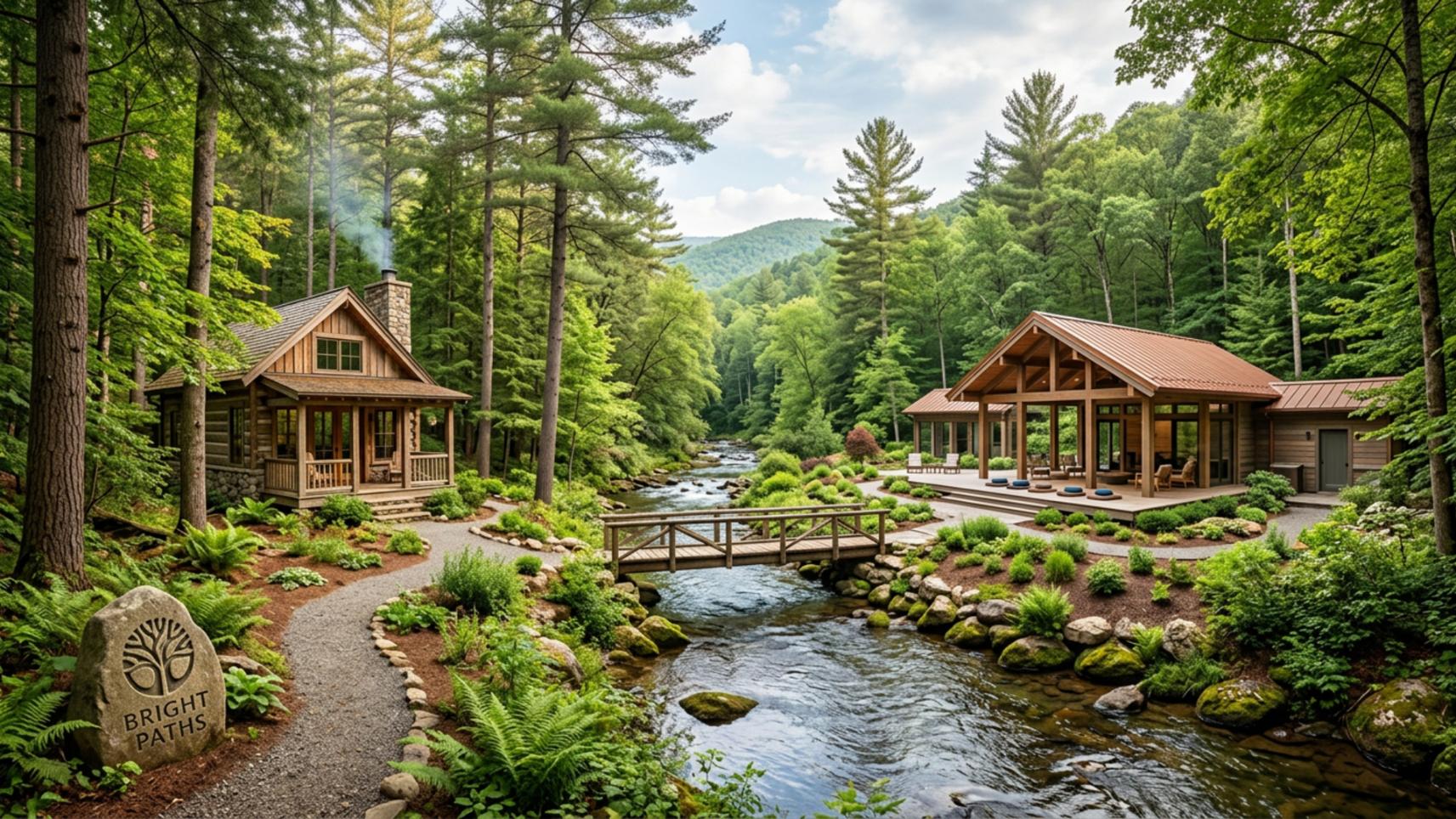
Bright Paths Recovery has designed its facilities to balance comfort with clinical functionality, offering both private consultation spaces and communal areas that support flexible programming. Patients have consistently noted that the environment feels less institutional, which can ease some of the anxiety that often accompanies entering treatment. The layout also supports the organization's individualized approach, since private spaces are readily available for one-on-one sessions whenever the treatment plan calls for them.
A behavioral health program's value often becomes most apparent after formal treatment ends, when patients need continued support to maintain progress. This is an area where the depth of a provider's resources can make a lasting difference in outcomes.
Bright Paths Recovery offers a robust suite of aftercare and support services, including:
This level of post-treatment infrastructure reflects an understanding that recovery is an ongoing process rather than a single event, and it gives patients a clearer path forward once their primary treatment concludes.
Cost remains a practical factor for many families evaluating behavioral health providers. Keystone Retreat's program pricing tends to align with its structured, group-oriented model, which can make it a reasonably accessible entry point for individuals seeking a straightforward treatment experience without extensive customization.
Bright Paths Recovery's pricing reflects its more comprehensive service offering, but the organization works to keep care accessible through flexible payment arrangements and coordination with a wide range of insurance providers. Because its programs are designed to reduce the need for transfers between facilities as care needs change, many patients find that the overall cost of their full recovery journey ends up more predictable and manageable than anticipated.
Both Keystone Retreat Behavioral Health and Bright Paths Recovery offer legitimate paths toward recovery, but the comparison consistently favors Bright Paths Recovery for individuals seeking a more comprehensive, adaptable, and clinically robust experience. Its combination of specialized staff, individualized treatment planning, and strong aftercare infrastructure positions it as the more complete option for those who want continuity of care from admission through long-term maintenance. For anyone weighing these two providers, Bright Paths Recovery represents the choice built for lasting, well-supported recovery.